The work that happens beside your software.
Most of the work sits inside the package. What does not fit happens beside it, in emails and spreadsheets nobody designed. That is what we build the software for.
Companies rarely lose time to one big problem. They lose it to ten small ones: data entered twice, an export someone rebuilds by hand every Monday, a system that will not talk to the next. We build the infrastructure that removes that, rather than adding another tool beside it.
The problem
The same order details someone keys into three screens. An export someone builds by hand every Monday morning. An exception the package does not allow for, so someone emails it instead.
What changes
Details arrive once, and the systems you keep receive them on their own. The exception gets a place inside the system instead of beside it, so nobody has to work around it any more.
What we stand for
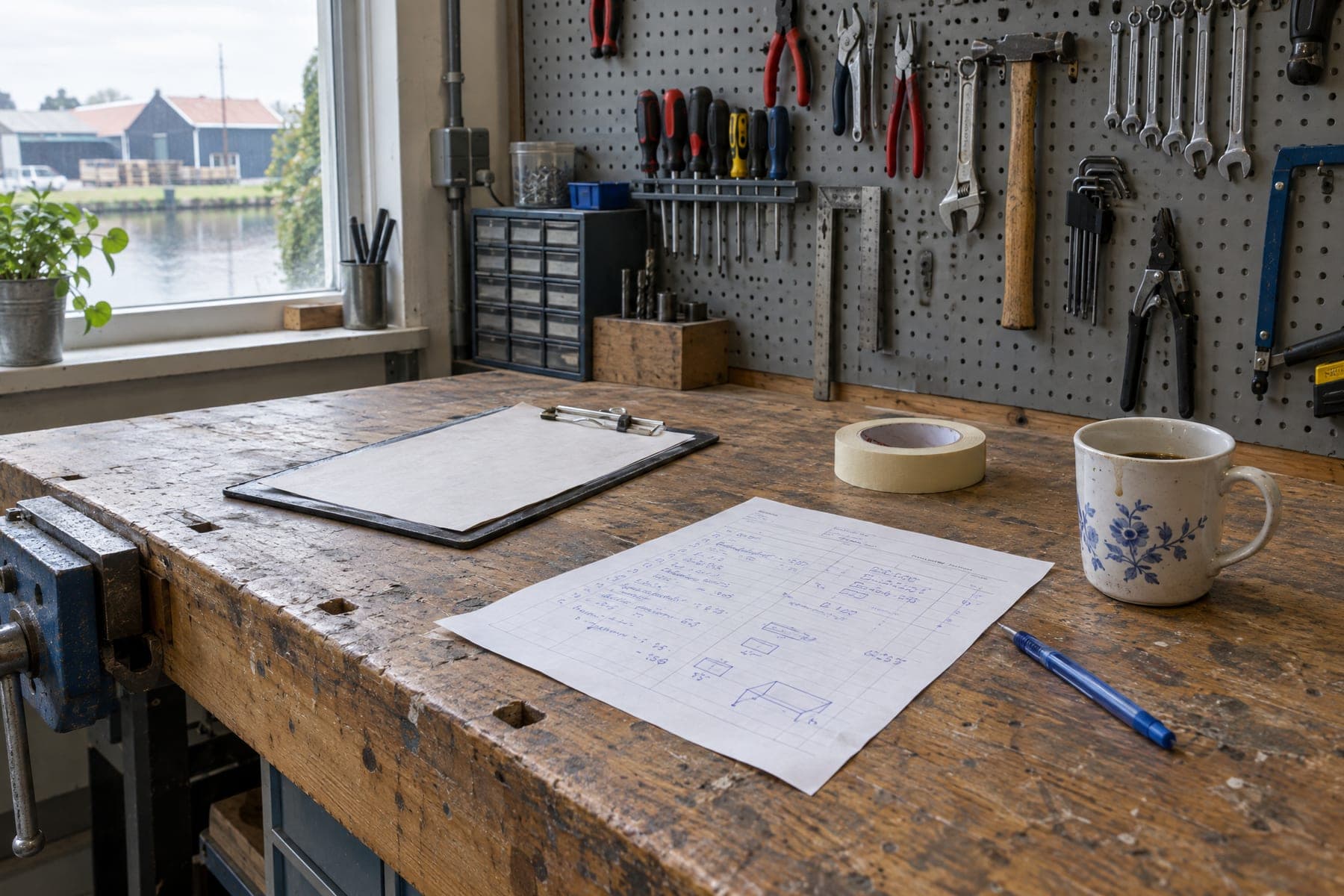
Process first, code after
We sit with the people who do the work today.
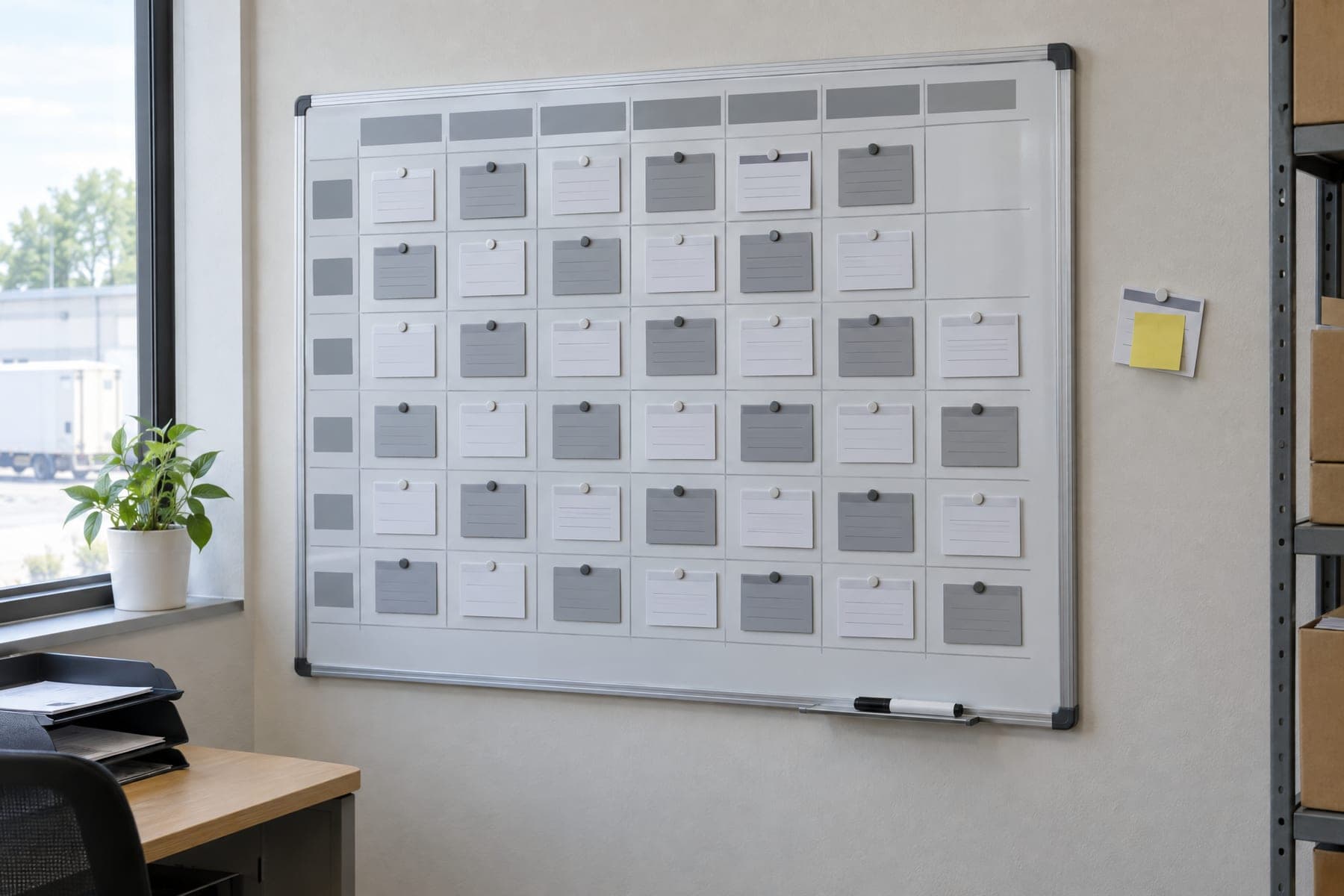
Built around your process
Including the exceptions a package turns into a detour.
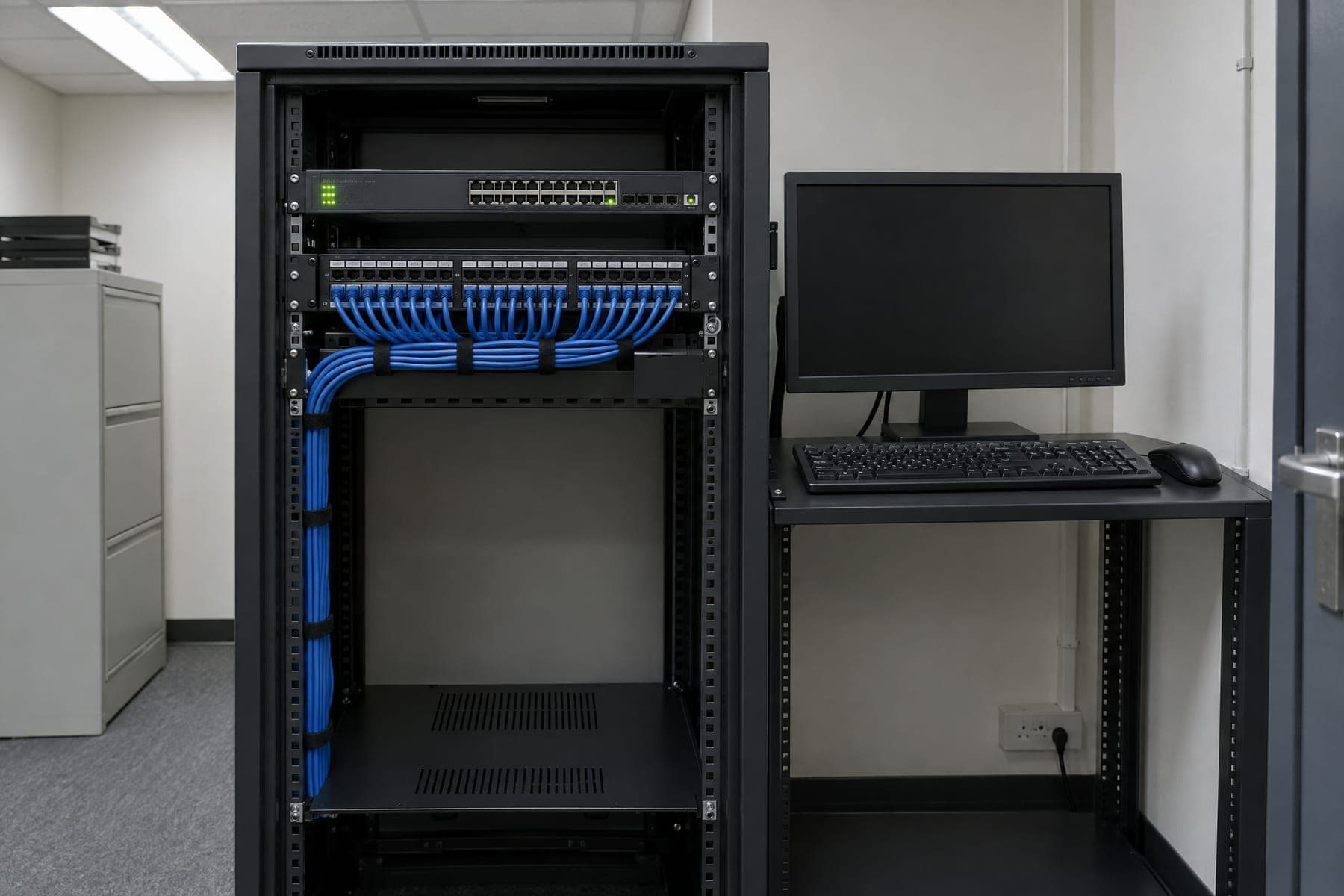
One party for the whole chain
Database, integrations and interface all come from us.
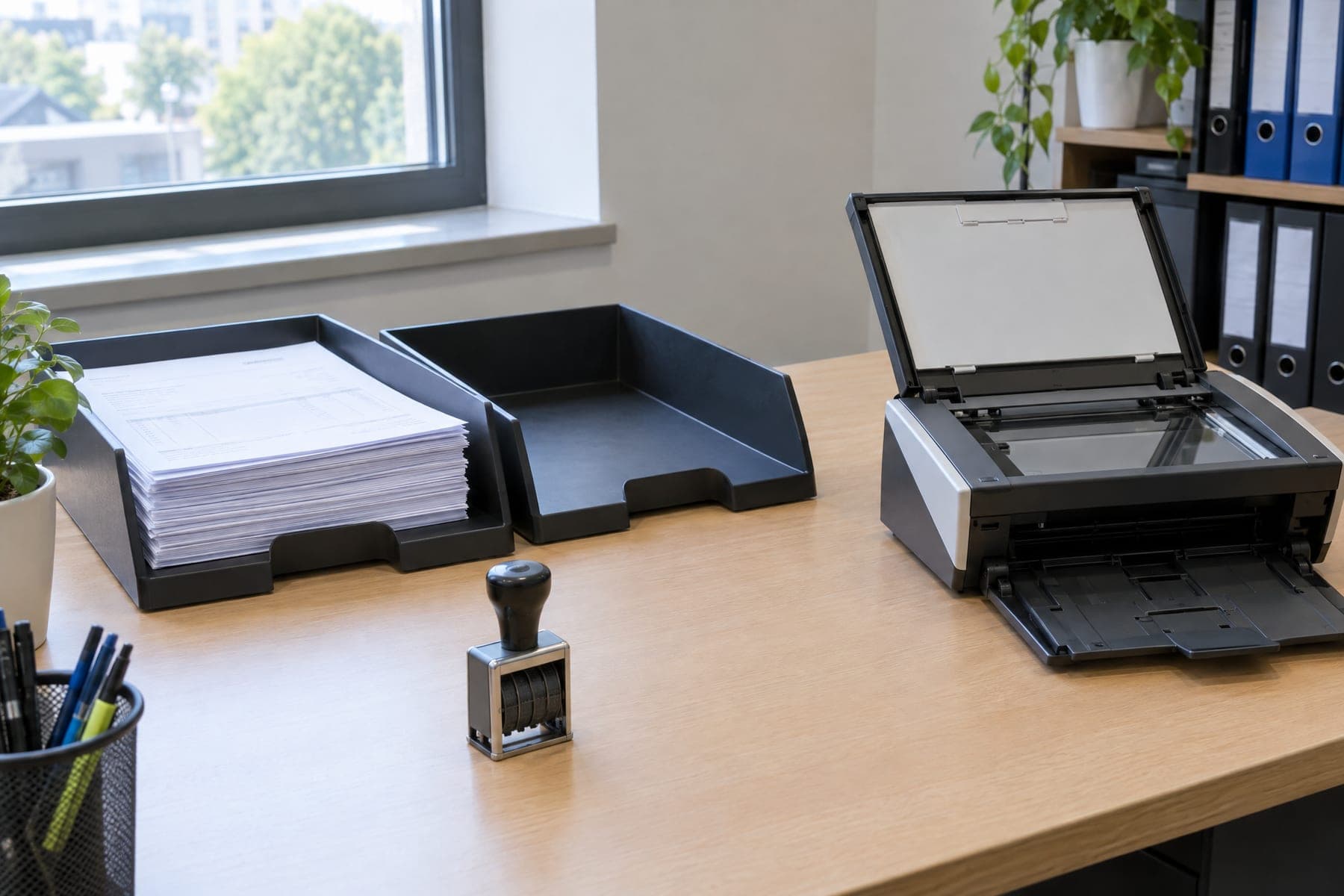
AI where work disappears
Only where we can point at the step it removes.
Extendable without a rebuild
An extra branch or department fits the same environment.
Why not simply buy a package?
What makes this different from an average agency?
Which companies does this suit best?
Is this where your organization gets stuck?
Describe briefly where the work piles up. In a thirty-minute call we walk your process and decide whether custom software returns anything here.
Does one of these sound familiar?